Research Areas/Topics

students doing research in the lab  

Department research activities are generally grouped into the five major focus areas of:

Welcome

Admission Requirements

How to Apply

Financial Aid

Research Topics

Graduate Faculty

Graduate Students

Grad Courses

Grad Syllabus

International Students

Frequently Asked Questions

Useful Links

Contact:

Dr. Herschel Elliott
Graduate Program Coordinator
220 Ag. Eng. Bldg.
Penn State
University Park, PA 16802
(814) 863-2062
E-mail: hae1@psu.edu

Various research projects are undertaken by faculty, staff and students in these focus areas. Department personnel are very successful in obtaining research support from private, government, and business/manufacturing entities. These grants and awards help support many graduate students and allow considerable advantages for funding research activities and providing real-world engineering and research challenges and accomplishments. Graduate students have the opportunity to select research projects from the wide diversity of research interests of the faculty. Generally, a thesis/dissertation research project will involve both analytical and experimental investigations that rely upon the student's background in engineering, basic physical sciences, and biological/agricultural sciences. Theses/dissertations may range from being almost completely theoretical to almost completely experimental in nature. The research project is selected by the student in consultation with the faculty adviser.The following should provide an idea of the types of graduate research topics that are being (or have been) investigated:

Controlled Environments for Animal and Plant Production and Commodity Storages (CEAPS)topics include:
Drying with dessicants for food processing operations; optimal sizes and/or environments for grain bins or other commodity storage facilities; greenhouse irrigation systems; nutrient management in greenhouses; greenhouse wetland systems; greenhouse heating; animal housing systems; behavior, safety and comfort of animals and workers; heat stress relief for animals; air quality/animal performance interactions; air quality/human respiratory responses; modeling air quality in buildings; environmental control for plant systems; mushroom production systems; and use of enthalpy wheels in ventilation systems.Faculty most active in this research thrust area are: Drs. Dennis Buffington, Ali Demirci, Robert Graves, Paul Heinemann, Ken Lomax, Virendra Puri, Eileen Wheeler and Roy Young.


Mechanical and Structural Systems (MSS) research includes:
Pesticide application systems (variable rate, draft control, air-blast); design of agricultural machinery systems; evaluation and improvement of animal feeding systems; forage harvesting and storage; feeding systems to optimize animal performance; optimizing the use of forages and other ruminant feed resources; automation in existing food processing plants; computer vision systems for non-destructive evaluation of food products; robotics applications in fruit and vegetable mechanization; radiotelemetry for predicting damage during mechanical handling; vehicle tracking systems; sensor development for precision agriculture; remote sensing for crop assessment; GPS and GIS development and applications in agriculture; fuel cells and microturbines for on-site electricity generation; wood engineering; analysis/design of post frame structures; hardwood glue-laminated design; wood bridge design; bulk solids storage dynamic loads; load deformation behavior of feeds, grains, fertilizers, and pesticides; finite element and boundary element modeling of structural systems; interactions between structural materials and granular media; and alternative structural systems for housing. 
 

structural research

Faculty with primary research emphasis in mechanical and structural systems include: Drs.Aaron Yoder and James Hilton.

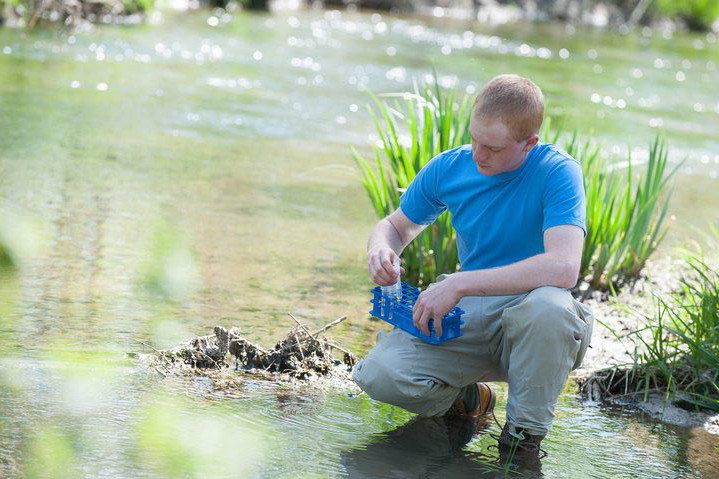
environmental research

Drs. Herschel Elliott, Robert Graves, James Hamlett, Al Jarrett, Tom Richard, and Robert Shannon are most actively involved in the NRCM research area.

  Natural Resources Conservation and Management(NRCM) projects include:
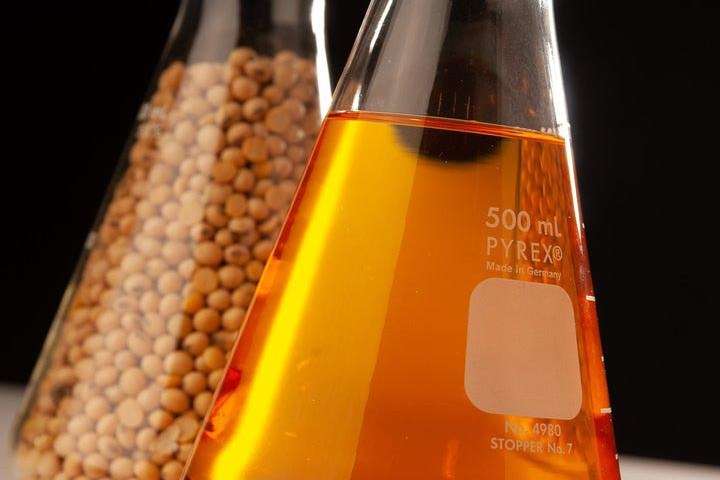
Agricultural mapping systems; sedimentation basin design; tillage system effects on runoff, erosion, and pollutant transport; erosion processes; hydrology of quality turfgrass areas; drinking water quality and treatment for domestic and livestock use; numerical modeling of water and pollutant transport processes; methods for identifying critical nutrient contributing areas in watersheds; GIS-based evaluation of non-point pollution from agricultural lands; modeling the physical and economic aspects of conservation and nutrient management practices; water quality under greenhouse systems; utilization of sludge on forest and non-agricultural land; utilization of recyclable materials in agricultural systems; decontamination of polluted soils; transformation, uptake, and movement of wastes and chemicals applied to soils; on-site wastewater treatment and management; milking center wastewater disposal systems; composting and refeeding residues from agricultural production, food processing, and dining facilities; biogas production from animal manures and other biological materials; biogas utilization for generation and vehicle power; and odor control for mushroom and animal production facilities.
Processing for Adding Value to Biological Materials (PAV)research includes:
Flow behavior of powder and granular food products; aseptic processing of food products; food biosensors; on-line computer control of food processing operations; modeling heat transfer mechanisms during thermal processing of foods; food automation and control; smart food systems; storage reaction kinetics of biotechnology-derived products; mechanical properties of food and other biological materials; dielectric properties of food and other biological materials; new technologies in food processing; constitutive models for bulk foods; microscopic approach for load response of granular materials; thermophysical properties of freezing and frozen foods; failure mechanisms of food and other biological materials; computer models of food products during microwave heating; numerical modeling of food processing operations; microwave processing of foods; food safety during minimal and added-value processing; industrial microbiology/fermentation.
 

Faculty most actively involved in this research thrust area are: Drs. Ali Demirci, Paul Heinemann, Virendra Puri, Tom Richard, and Paul Walker.

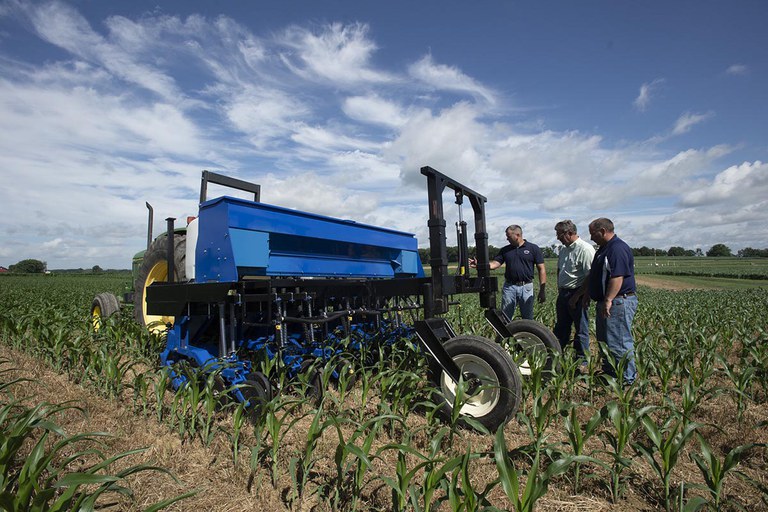
tractor rollover research

Drs. Dennis Buffington, Paul Heinemann, Dennis Murphy, Alan Rotz, and Paul Walker are most active in this research thrust area.

  Safety and Systems Engineering(SSE) projects include:
Expert systems for food process engineering; machine design and systems management; structural and environmental modification; natural resources engineering and management; precision agriculture applications; tractor stability information processing; agricultural accident analysis; simulation of pasture utilization and other forage-animal systems; human factors engineering for safety; machinery safety demonstration program development; hazard reduction for youthful and aged workers; agricultural occupational health; manure storage and handling safety; animal handling safety; energy management systems; non-destructive evaluation of quality; strategies for optimal use of energy in food production and processing systems; and impacts of deregulation of electricity generation on food production and processing systems.